Recovery Services for Heavy Rain and Dangerous Road Conditions
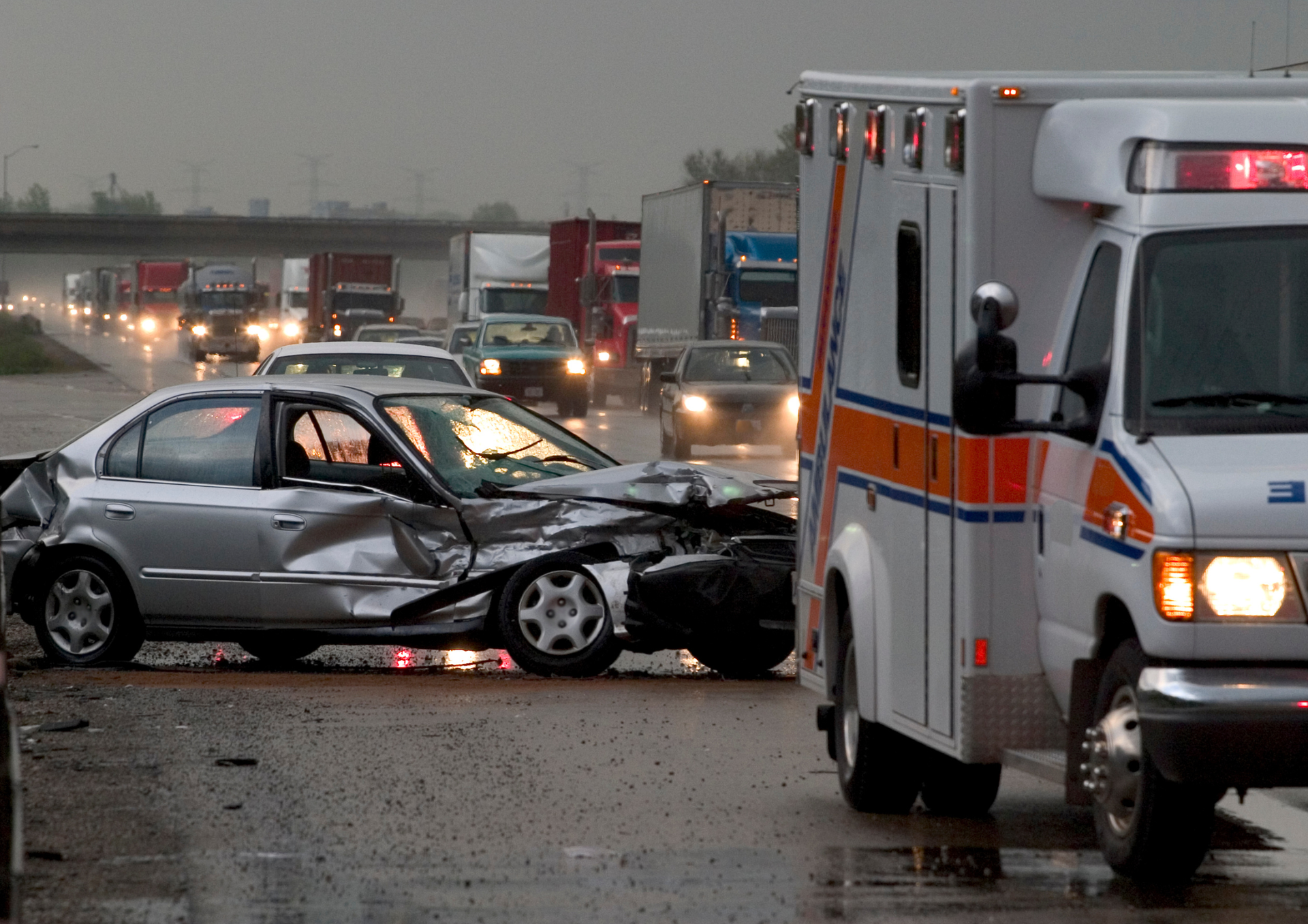
Heavy rain can quickly turn an ordinary journey into a stressful and dangerous experience. Reduced visibility, flooded roads, slippery surfaces, and unexpected breakdowns create serious risks for drivers across Birmingham and beyond.
Whether travelling through busy city streets, rural routes, or motorways, poor weather conditions can affect every type of vehicle and every level of driving experience. For motorists, preparation and caution are essential during periods of severe weather.
Understanding how rain affects roads, vehicles, and driver reaction times can help reduce the chance of accidents or breakdowns. In situations where a vehicle becomes stranded or unsafe to continue driving, professional Recovery support can provide a safe and reliable solution.
How Heavy Rain Impacts Driving Conditions
Heavy rain can create dangerous driving conditions within minutes, affecting visibility, road grip, braking distances, and overall vehicle control. Understanding the risks associated with wet weather can help motorists stay safer on the roads, reduce the chance of accidents, and know when professional recovery support may be needed.
- Rainwater mixes with oil, dirt, and debris on road surfaces, reducing tyre grip and increasing the likelihood of skidding.
- Heavy rainfall often leads to standing water and flooding, which can make vehicles lose traction and become difficult to control.
- Visibility becomes significantly reduced during storms due to water spray, dark conditions, and fogged windows.
- Drivers may struggle to judge safe braking distances accurately on wet roads, especially during sudden downpours.
- Motorways and dual carriageways can become hazardous because of aquaplaning, where tyres lose contact with the road surface.
- Flooded junctions, blocked drains, and hidden potholes on urban roads can cause tyre, suspension, and engine damage.
- Deep floodwater may make certain roads completely unsafe or impassable for vehicles.
- Vans, buses, and other larger vehicles require longer stopping distances and may become less stable in strong winds and wet conditions.
- Reduced speed, increased stopping distances, and careful route planning are essential during periods of severe weather.
Essential Safety Tips for Driving in Heavy Rain
Preparing properly before travelling in heavy rain can help reduce the risk of accidents, breakdowns, and vehicle damage. Alongside safe driving habits and regular vehicle checks, knowing when to contact professional vehicle recovery services can help motorists stay safer during severe weather and difficult road conditions.
- Check tyre tread depth and tyre pressure before travelling to maintain proper grip on wet and slippery roads.
- Worn tyres can increase stopping distances and reduce overall vehicle control during heavy rainfall.
- Ensure windscreen wipers are working correctly to maintain clear visibility in poor weather.
- Keep washer fluid topped up and replace worn wiper blades when necessary.
- Make sure all vehicle lights are clean and fully functioning so other drivers can clearly see your vehicle.
- Reduce speed during rainstorms, as wet roads require longer braking distances.
- Avoid sudden braking or sharp steering movements, which may cause the vehicle to skid.
- Leave extra space between vehicles to allow more reaction time in hazardous conditions.
- When driving through standing water, maintain a steady speed and keep a firm grip on the steering wheel.
- If visibility becomes dangerously poor, stop in a safe location and wait until conditions improve.
- Avoid flooded roads whenever possible, as even shallow water can damage engines and electrical systems.
- Fast-moving floodwater can be extremely dangerous and may carry vehicles away unexpectedly.
- Carry emergency items such as waterproof clothing, a torch, phone chargers, and drinking water during longer journeys.
- Severe weather can sometimes leave motorists stranded due to flood damage, breakdowns, or unsafe road conditions, making professional vehicle assistance necessary.
Common Vehicle Problems Caused by Severe Weather
Severe weather can place extra strain on vehicles and increase the likelihood of mechanical problems, especially during heavy rain and flooding. Understanding the most common weather-related vehicle issues can help motorists recognise warning signs early and avoid further damage.
- Heavy rain and floodwater can damage important vehicle components and affect overall performance.
- Electrical faults are common during storms because water can enter sensitive systems used for ignition, lighting, braking assistance, and engine management.
- Water exposure may cause sudden warning lights, starting issues, or complete vehicle failure.
- Brake performance can become temporarily reduced after driving through standing water or flooded roads.
- Drivers may notice slower braking response or unusual noises caused by excess moisture around braking components.
- Tyres can become damaged by sharp debris hidden beneath floodwater or by potholes filled with water.
- Suspension systems and wheels may also suffer damage from poor road surfaces during severe weather.
- Driving through deep floodwater can allow water into the engine intake, potentially causing serious internal engine damage.
- Restarting a stalled vehicle after flood exposure may worsen mechanical problems and increase repair costs.
- Cold and damp weather can weaken battery performance, particularly in vehicles already experiencing battery issues.
- During severe weather or unsafe driving conditions, 24 hour car recovery can help transport vehicles safely to a garage, home, or another chosen destination.
Why Professional Assistance Matters During Poor Road Conditions
When severe weather creates dangerous driving conditions, attempting to continue a journey can place drivers, passengers, and other road users at risk. Recognising when to seek professional support is an important part of road safety.
Vehicles stranded in hazardous locations such as motorways, flooded roads, or isolated routes should be dealt with carefully. Remaining inside the vehicle in a safe location and contacting trained professionals is often the safest approach. Attempting roadside repairs during heavy rain can increase the risk of injury or further vehicle damage.
Professional operators have the equipment needed to move vehicles safely during difficult weather conditions. Whether dealing with accident damage, breakdowns, or flood-related issues, trained teams can transport vehicles securely without causing additional harm.
Motorists should also remember that severe weather often causes delays across road networks. Traffic congestion, collisions, and road closures can extend journey times considerably. Planning ahead and allowing extra travel time can reduce stress and improve safety during poor weather.
Communication is equally important. Drivers should keep mobile phones charged and inform family members or employers about travel plans when severe weather warnings are in place.
Monitoring weather updates and traffic reports can also help avoid dangerous routes. In situations involving breakdowns during storms or flooding, roadside and recovery support helps motorists avoid being left in unsafe conditions for extended periods, especially during late-night travel or in unfamiliar areas.
Professional towing support can also benefit drivers whose vehicles become unsafe due to tyre damage, engine faults, or collision impacts caused by slippery roads. A trusted car recovery service ensures vehicles are transported carefully to a garage, home address, or another preferred destination without unnecessary complications.
Reliable recovery support becomes especially valuable during periods of heavy rain, where road hazards and mechanical problems can develop unexpectedly and place motorists in difficult situations.
Recovery Birmingham is committed to providing dependable support for motorists facing difficult road situations during poor weather and unexpected breakdowns. Our team understands the challenges drivers experience during heavy rain, flooding, and hazardous travel conditions.
We focus on delivering a professional and reliable service with clear communication and customer care at every stage. Whether you drive a car, van, or larger vehicle, we aim to ensure your vehicle is transported safely to your chosen location.
Our service is designed to support motorists during stressful situations with a calm and efficient approach. We prioritise safety, fast response times, and trustworthy assistance to help drivers feel supported when they need help most.
Just out on X:
Reliable
recovery support for drivers facing heavy rain.
You might also like