Why Professional Vehicle Recovery Is Essential After Road Accidents
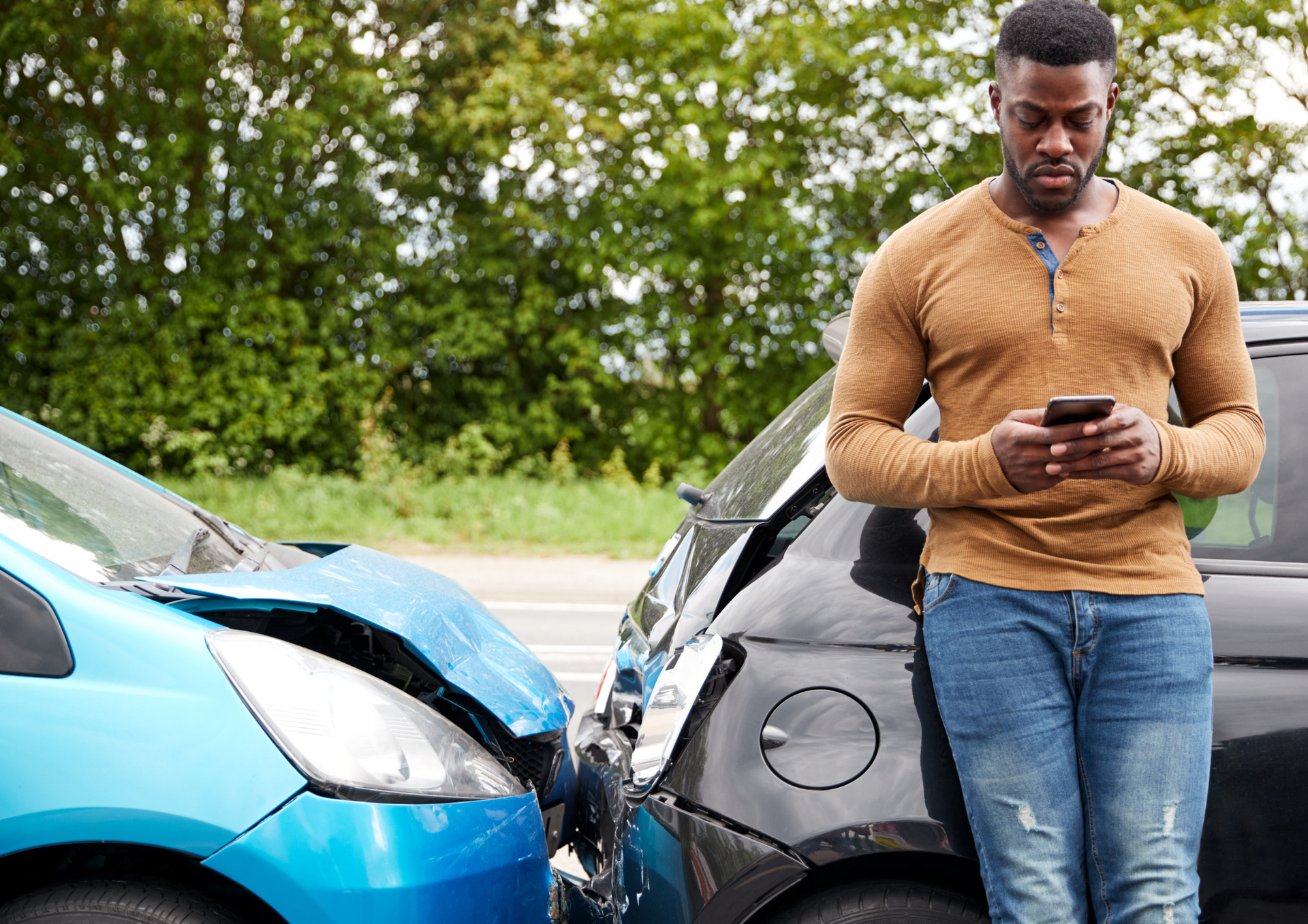
Road accidents can happen unexpectedly, leaving drivers shaken, vehicles damaged and journeys interrupted. Whether a collision occurs on a busy city road, a motorway or a quiet residential street, knowing what to do afterwards is important. Even when a vehicle appears to have suffered only minor damage, hidden mechanical or structural problems could make it unsafe to drive.
Professional vehicle recovery plays an important role in keeping damaged vehicles and road users safe following an accident. Rather than attempting to drive a potentially unsafe car, motorists can arrange for it to be collected and transported to a suitable repair garage or another agreed destination. This helps prevent unnecessary movement of damaged components and reduces the risks associated with driving an unroadworthy vehicle.
For motorists in Birmingham and other parts of the UK, arranging suitable assistance after a collision can make a difficult situation easier to manage. From minor accidents involving damaged wheels to serious collisions that leave vehicles completely undriveable, professional towing provides a practical solution when a vehicle cannot safely continue its journey.
Understanding when transportation is necessary, how damaged vehicles are handled and what to expect from a professional provider can help drivers make informed decisions during an already stressful experience.
Why Professional Assistance Is Important After a Road Accident
Following a road accident, the condition of a vehicle may not always be immediately obvious. Some damage is visible, such as broken headlights, dented panels or shattered windows. However, collisions can also affect important mechanical and structural components that are difficult to assess without a proper inspection.
One of the biggest concerns is hidden structural damage. A collision can affect the chassis, body structure or mounting points, potentially reducing the vehicle's strength and stability. Even if the engine starts and the vehicle appears capable of moving, its structure may no longer be suitable for normal driving.
Steering and suspension components are also vulnerable during an impact. Damaged steering arms, suspension joints or wheel alignment can affect how a vehicle responds when turning or braking. Continuing to drive with these problems could make the vehicle difficult to control, particularly on busy roads or at higher speeds.
Fluid leaks create additional concerns. An accident may damage the radiator, brake lines, engine components or other systems, causing coolant, oil or brake fluid to escape. These leaks can affect the vehicle's operation and create hazards around the accident location. Driving with insufficient fluids may also cause further mechanical damage.
Wheels and tyres should never be overlooked after a collision. A tyre may have suffered sidewall damage, while a wheel could be bent or incorrectly aligned. Even when the damage appears minor, the tyre or wheel may no longer be safe for normal road use.
Motorists who are stranded following a collision may search for vehicle recovery near me to find suitable assistance in their area. Choosing a provider with appropriate towing equipment helps ensure the damaged vehicle can be collected without relying on components that may have been affected by the accident.
Another important consideration is the risk of loose or broken vehicle parts. Damaged bumpers, exhaust components, underbody panels or other parts may detach while the vehicle is moving. This could create additional dangers for the driver and surrounding traffic.
Professional transportation helps address these concerns by allowing the vehicle to be moved using suitable equipment rather than being driven in an uncertain condition. The operator can consider the vehicle's position, visible damage and loading requirements before arranging safe collection.
For drivers involved in accidents around Birmingham's busy roads, including major routes such as the M6, A38 and A45, safety should always come first. The same principle applies to motorists anywhere in the country. If there is uncertainty about whether a vehicle is roadworthy, arranging transportation to a qualified repair professional is generally the safer option.
How Professional Towing Helps Protect Accident-Damaged Vehicles
Moving an accident-damaged vehicle requires careful planning and suitable equipment. Unlike normal driving, transporting a damaged vehicle involves considering its mechanical condition, position and any components that may no longer function correctly.
Professional vehicle recovery services help motorists arrange suitable transportation when their cars cannot safely remain in use. The collection process should focus on protecting the vehicle, reducing unnecessary movement and ensuring it reaches the agreed destination without avoidable complications.
Several important practices contribute to safer transportation:
- Assessing the vehicle before loading: The operator should consider the vehicle's position, visible damage and general condition before beginning the collection process. This helps identify problems that could affect loading, such as damaged wheels, broken suspension components or restricted access.
- Using appropriate towing equipment: Different vehicles and damage conditions may require different equipment. A suitable recovery platform, winching equipment or specialist loading arrangement may be necessary depending on the circumstances.
- Handling damaged wheels and suspension carefully: A vehicle with damaged wheels or suspension may not roll or steer normally. Appropriate loading methods help reduce unnecessary strain on affected components.
- Reducing the risk of additional bodywork damage: Damaged bumpers, loose panels and other exposed components can be vulnerable during loading. Careful positioning and handling help prevent avoidable contact with the towing equipment.
- Securing the vehicle correctly: Once loaded, the vehicle must be properly secured using suitable restraints. Correct securing helps prevent unwanted movement during transportation, particularly when travelling around bends or over uneven road surfaces.
- Considering the vehicle's size and weight: Cars, vans and larger vehicles have different transportation requirements. The equipment used should be suitable for the vehicle's weight, dimensions and condition.
- Transporting the vehicle to an agreed destination: A damaged car can be taken to a repair garage, suitable storage facility or another location requested by the owner, provided the destination is appropriate and accessible.
- Keeping the customer informed: Clear communication about collection arrangements, the intended destination and any relevant limitations helps motorists understand what will happen to their vehicle.
- Avoiding unnecessary driving: Transporting the vehicle rather than attempting to drive it reduces the risk of worsening faults involving the steering, suspension, braking system or other damaged components.
- Supporting safer accident-site clearance: When the location is safe and collection is authorised, professional towing can help move an undriveable vehicle away from the accident scene so that it can be dealt with appropriately.
It is important to understand that professional towing focuses on collecting and transporting vehicles. It does not involve repairing damaged components at the roadside, replacing mechanical parts or restoring a vehicle to working condition immediately after an accident.
If specialist repairs are required, the damaged vehicle can instead be transported to an appropriate garage or qualified professional for inspection and further work.
The condition of the vehicle should always determine how it is handled. A car with minor bodywork damage may have different transportation requirements from one with severe wheel, suspension or structural damage.
Using suitable equipment and following careful loading procedures can help reduce the possibility of further damage during transportation. This provides reassurance to motorists who may already be concerned about the condition of their vehicles after an accident.
What Drivers Should Do After an Accident Before Help Arrives
The moments following a road accident can be confusing and stressful. Drivers may be worried about injuries, vehicle damage, traffic conditions and how they will continue their journey. However, taking sensible precautions can help protect everyone involved while suitable assistance is arranged.
Professional emergency car recovery may be needed when a collision leaves a vehicle undriveable or unsafe to move under its own power. Before the collection operator arrives, motorists should focus on personal safety and provide accurate information about the vehicle and accident location.
The following steps can help drivers manage the situation responsibly:
- Check for injuries first: Make sure you and your passengers are safe. If anyone is injured or there is an immediate danger, contact the emergency services and follow their instructions.
- Assess your surroundings: Consider the position of your vehicle and nearby traffic. Avoid standing in dangerous areas or attempting to move around the accident scene unnecessarily.
- Move to a safe location where possible: If the vehicle can be moved safely and it is appropriate to do so, follow relevant road safety guidance. Never attempt to drive a seriously damaged vehicle simply to clear the road.
- Use hazard warning lights when appropriate: Hazard lights can help alert other motorists to a stationary vehicle. Follow the Highway Code and any instructions provided by emergency services.
- Avoid touching damaged components: Broken glass, exposed metal, leaking fluids and damaged electrical components may create hazards. Keep clear of these areas until the vehicle can be assessed safely.
- Provide an accurate location: Share the road name, nearby landmarks, postcode or motorway location markers where available. Clear location details help the operator identify where the vehicle needs collecting.
- Explain the visible damage: Tell the provider whether the wheels, steering, suspension or bodywork have been affected. Mention any leaking fluids or loose components that could influence the loading process.
- Keep passengers away from moving traffic: Make sure everyone waits in a suitable safe location. On motorways and other high-speed roads, follow the relevant safety instructions and remain clear of live traffic lanes.
- Prepare your preferred destination: If possible, decide where the vehicle should be transported. This may be a repair garage, suitable storage location or another agreed destination.
- Keep essential belongings accessible: When it is safe to do so, collect important personal items before the vehicle is loaded. Do not re-enter an unsafe vehicle or expose yourself to traffic simply to retrieve belongings.
- Follow the operator's instructions: Once the collection team arrives, allow them to assess the situation and explain any necessary safety precautions before loading begins.
Motorway accidents require particular care because of fast-moving traffic. If your vehicle stops on a motorway, follow official safety guidance and use emergency facilities where appropriate. If you cannot reach a safe place or there is an immediate danger, contact emergency services. Drivers should never attempt to stand in a live traffic lane, push a damaged vehicle through moving traffic or carry out unsafe roadside work.
For accidents on quieter roads, similar precautions remain important. A damaged vehicle may be difficult for approaching motorists to see, particularly at night or during poor weather conditions.
Remaining calm, communicating clearly and waiting in a safe location can make the collection process more straightforward. The priority should always be protecting people before dealing with the damaged vehicle.
Choosing a Reliable Towing Provider Following a Collision
Selecting a dependable towing provider is an important decision after a road accident. Drivers need confidence that their damaged vehicle will be handled carefully and transported using suitable equipment.
One of the first things to consider is whether the provider can accommodate the type and condition of the vehicle. Different vehicles may require different loading arrangements, particularly when accident damage affects wheels, suspension components or steering systems.
Professional vehicle recovery should involve clear communication, appropriate equipment and careful handling throughout the collection process. Motorists should explain the circumstances of the accident and confirm whether the provider can safely transport the vehicle in its current condition.
Experience handling accident-damaged vehicles is another useful consideration. A provider familiar with different damage conditions may be better prepared to identify loading difficulties and determine which transportation method is appropriate.
Knowledge of local roads can also be valuable. Birmingham has busy city-centre streets, residential neighbourhoods, commercial areas and major connecting routes. Collecting a vehicle from a narrow residential road may involve different access considerations from arranging transportation near a busy junction or motorway.
However, the same principles apply throughout the UK. Whether an accident occurs in a city, town or rural location, choosing a provider who understands the collection requirements helps make the process more manageable.
Some motorists may already be familiar with car breakdown recovery when their vehicle develops a mechanical fault. Although accident-related transportation can involve similar collection equipment, collision damage may require additional care because the vehicle's structure, wheels or steering components could be affected.
Clear communication about the destination is equally important. Before arranging collection, motorists should confirm whether the vehicle will be taken to a garage, suitable storage facility or another agreed location.
The provider should also explain any relevant limitations, particularly if the vehicle is heavily damaged, difficult to access or requires specialist equipment.
Drivers may find it helpful to ask about the collection arrangements, expected process and any information needed before the operator arrives. Understanding these details can reduce uncertainty during an already stressful situation.
It is also sensible to choose a provider that focuses on safe transportation rather than encouraging motorists to continue driving vehicles whose condition is uncertain.
A dependable operator should prioritise appropriate loading, correct securing and careful delivery. These practices are particularly important when transporting vehicles that have suffered significant accident damage.
Ultimately, the right provider should help motorists move their damaged vehicles to an appropriate destination without unnecessary complications. Careful handling, straightforward communication and suitable equipment are essential considerations when arranging transportation after a collision.
Road accidents can leave vehicles with visible damage, hidden mechanical faults and structural problems that make continued driving unsafe. Even when a car appears capable of moving, damaged steering, suspension, wheels or braking components may create serious risks for drivers and other road users.
Arranging professional towing provides a practical way to move an accident-damaged vehicle without relying on potentially unsafe components. Suitable equipment, careful loading and correct securing procedures help protect the vehicle throughout transportation.
Drivers should always prioritise personal safety following a collision, follow relevant road safety guidance and provide accurate information when arranging collection.
Whether an accident happens in Birmingham or elsewhere in the UK, choosing a dependable towing provider can make a difficult situation easier to manage. Safe transportation allows the damaged vehicle to reach an appropriate repair professional for inspection and any necessary work.
Recovery Birmingham offers motorists a practical option for arranging professional transportation, ensuring damaged or undriveable cars are carefully collected and transported to a suitable destination.
We understand that accidents can happen unexpectedly, leaving drivers uncertain about what to do next. Our approach to vehicle recovery focuses on straightforward communication, careful vehicle handling and helping customers arrange suitable transportation to their preferred destination.
Whether your car has suffered collision damage, developed a serious mechanical problem or become undriveable, we aim to help you arrange collection and transportation to an appropriate repair garage or another agreed location.
Our focus is on making the transportation process clear and manageable while recognising the importance of handling damaged vehicles with care. We understand that every situation is different, which is why providing accurate vehicle details and discussing collection requirements are important parts of arranging assistance.
If your vehicle has been damaged in an accident and cannot be driven safely, contact our team today to discuss your transportation needs. We can help you arrange collection and delivery to a suitable repair facility or another agreed destination, so your vehicle can receive the professional attention it needs.
Check out our latest X update highlighting the importance of professional
vehicle recovery
after road accidents and how it helps ensure safe and efficient vehicle transportation!
You might also like