Why Roadside Recovery Matters During Unexpected Vehicle Breakdowns
A vehicle breakdown rarely happens at a convenient time. A car may develop a problem during the morning commute, on the way home from work, late at night or while travelling somewhere unfamiliar. In Birmingham, this could happen on a busy urban route, a residential street, near a workplace or while travelling towards another part of the West Midlands. Whatever the location, knowing how to respond can help drivers manage the situation safely.
The first priority should always be personal safety. If a vehicle develops unusual noises, loses power, displays serious warning signs or becomes difficult to control, continuing the journey may create unnecessary risks. Where it is safe and practical to do so, the driver should stop in a suitable place and consider whether the vehicle needs professional transportation.
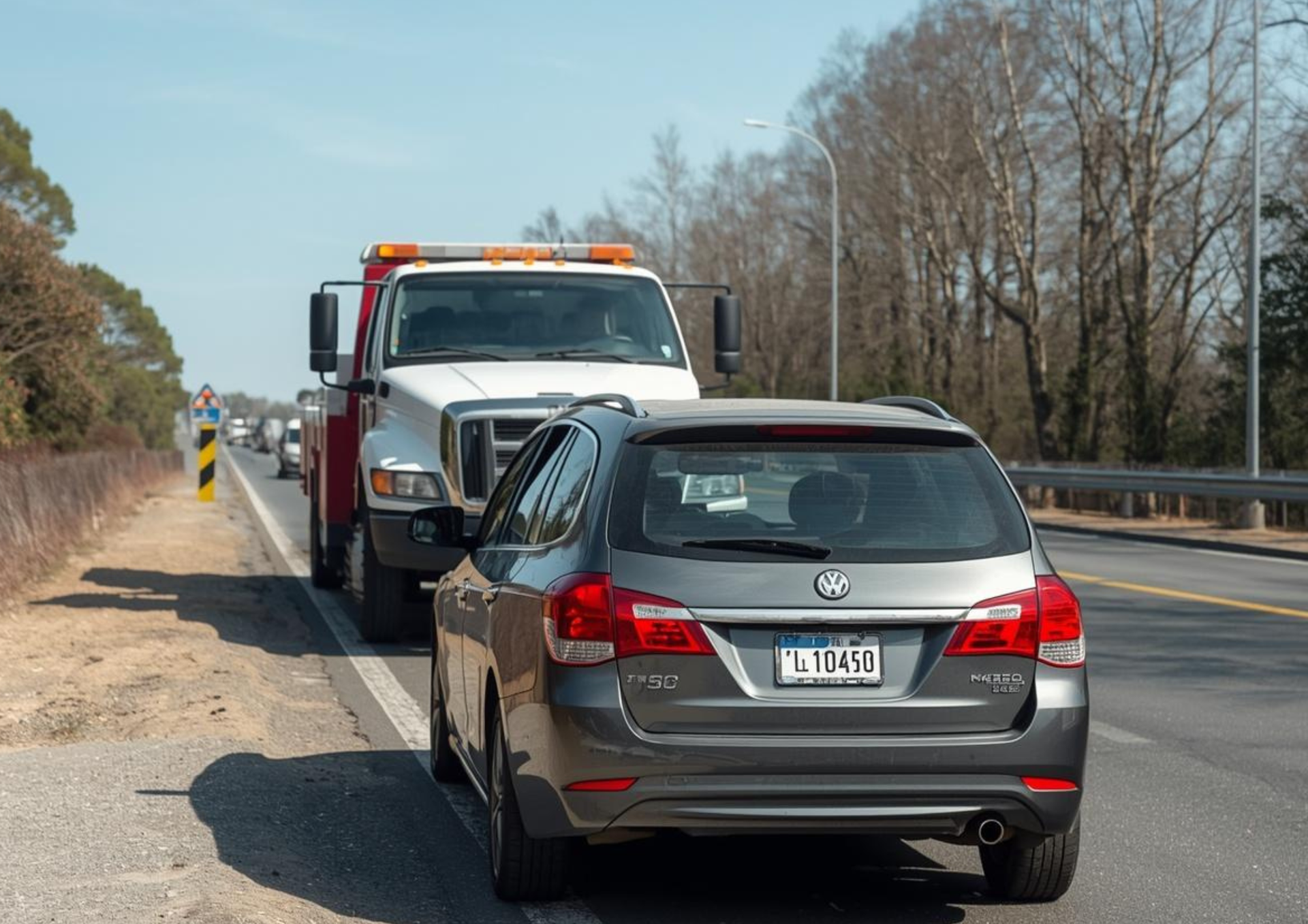
A professional car breakdown service can provide a practical solution when an undriveable vehicle needs to be collected and moved elsewhere. Rather than attempting to continue driving a vehicle with an uncertain fault, motorists can arrange for it to be transported to an appropriate garage or another suitable destination of their choice.
Vehicle collection should not be confused with repairing a mechanical problem where the car has stopped. The service discussed here focuses on collecting, loading, securing and transporting vehicles. It does not involve carrying out roadside repairs, providing fuel delivery or helping with vehicle lockouts. If specialist mechanical work is required, the vehicle can instead be taken to an appropriate professional.
Although Birmingham is the main focus here, the same principles are useful wherever a breakdown occurs. Understanding how professional vehicle transportation works can help motorists prepare for unexpected situations and make sensible decisions when their vehicle is no longer suitable to drive.
How Professional Help Supports Drivers After a Breakdown
Professional roadside recovery gives motorists a practical way to deal with an undriveable vehicle without relying on it to complete the journey. This can be particularly important when the exact cause of a problem is unknown. A car might still start or move, but that does not necessarily mean it is safe to continue driving. If there are signs of a serious mechanical or electrical problem, arranging professional transportation may be the safer option.
Breakdowns can happen for many reasons. An engine problem might cause a sudden loss of power, while a steering or suspension fault can affect how the vehicle responds to the driver. Wheel or tyre damage may prevent normal movement, and significant fluid leaks can indicate a problem requiring professional attention. In these circumstances, trying to drive even a short distance could make an existing issue worse.
Professional collection provides a controlled way of moving an undriveable vehicle. Before transportation, the operator needs to understand its condition and position. A vehicle that rolls and steers normally may require a different loading approach from one with a damaged wheel, suspension fault or steering problem. Providing accurate information before the operator arrives can therefore make the collection process more straightforward.
Once the vehicle is ready to be moved, appropriate equipment can be used to load it. It then needs to be positioned and secured correctly for transportation. Careful preparation is particularly important when the vehicle already has a mechanical fault or damage that affects how it can be handled.
Professional help is not limited to situations where a vehicle has stopped completely. A motorist may notice serious warning signs while the car is still moving and decide that continuing would be unwise. Stopping somewhere appropriate and arranging transportation can avoid relying on a vehicle whose roadworthiness is uncertain.
The destination is another important consideration. Some motorists may want their vehicle taken directly to their usual garage, while others may require a specialist repair facility. A driver who breaks down far from home may prefer another suitable destination. Deciding where the vehicle should go before collection can make arrangements clearer for both the customer and operator.
Breakdowns outside normal working hours can create additional uncertainty. A garage may be closed when a problem occurs late at night or early in the morning, but this does not necessarily mean the vehicle should remain where it stopped. Depending on the circumstances, transportation can be arranged to a suitable destination where the vehicle can remain until professional attention is available.
For motorists travelling around Birmingham, accurate location details are particularly useful. Busy roads, residential areas, commercial districts and unfamiliar streets can all create different collection circumstances. Providing a postcode, road name, nearby landmark or other clear information can help the operator identify the correct location.
Drivers should also explain anything unusual about where the vehicle has stopped. A car inside a restricted car park, behind a barrier or on a narrow street may require additional planning. Similarly, an immobile wheel or steering problem should be mentioned before collection so appropriate arrangements can be considered.
Professional vehicle transportation ultimately provides a practical link between the place where a vehicle becomes undriveable and the location where it can receive appropriate attention. Careful collection, loading and transportation allow motorists to have their vehicle moved without attempting an unnecessary journey in a car that may no longer be suitable for normal road use.
What to Do When Your Vehicle Breaks Down Unexpectedly
Arranging car breakdown recovery is only one part of dealing with an unexpected vehicle problem. What the driver does immediately after noticing a fault can also be important. Circumstances vary considerably, so motorists should assess their surroundings carefully and follow current road safety guidance, particularly on motorways and other high-speed roads.
- Find a suitable place to stop where possible. If the vehicle can still be controlled safely, move to an appropriate location without making sudden or dangerous manoeuvres. The safest response will depend on the road and circumstances.
- Make the vehicle visible when appropriate. Hazard warning lights can help alert other road users that there is a problem. Drivers should use vehicle lighting appropriately for the conditions and situation.
- Keep away from moving traffic. Avoid standing in a position where passing vehicles could put you at risk. On motorways and other high-speed routes, follow current official breakdown guidance and any instructions provided by the police or highways personnel.
- Do not continue simply for convenience. Reaching home or a nearby garage may seem easier than arranging transportation, but a vehicle showing signs of a serious fault may deteriorate further if driven.
- Identify your location accurately. Note the road name, postcode, nearby landmarks or other useful details. If you are somewhere unfamiliar, a mapping application or visible road signs may help you establish your position.
- Prepare the vehicle details. Have the make, model and registration available when requesting collection. These details help the operator understand what type of vehicle needs to be transported.
- Describe the problem clearly. Explain what happened before the vehicle stopped and mention any visible damage or unusual behaviour. If the wheels do not turn normally or the steering is affected, make this clear.
- Mention accessibility issues. Tell the operator if the vehicle is in a multi-storey car park, behind a gate, beneath a height restriction or somewhere with limited access. These details can affect collection arrangements.
- Choose an appropriate destination. Decide where you want the vehicle transported whenever possible. This may be a garage, specialist repair facility or another suitable location where it can remain safely.
- Keep essential belongings with you. Before the vehicle is transported, check that you have personal items you may need immediately, such as your phone, keys and other essentials.
Preparation can make the collection process much easier. A driver who can clearly explain the location, vehicle condition and intended destination gives the operator useful information for planning the transportation.
When You Should Arrange Professional Vehicle Transportation
Drivers may consider emergency breakdown recovery when a vehicle develops a fault that makes continued driving unsafe or impractical. The decision should be based on the vehicle's condition rather than simply whether it can still move. A car that remains capable of travelling at low speed may nevertheless have a problem requiring professional attention.
Starting problems are a common example. If a vehicle will not start and the underlying fault cannot be appropriately addressed where it is parked, transportation to a garage may be necessary. Repeatedly attempting to start a vehicle without understanding the problem may not provide a useful solution.
Steering and suspension problems also deserve careful attention. If the steering suddenly feels unusual, the vehicle pulls heavily to one side or there are signs of significant suspension damage, normal handling may be affected. Continuing to drive could become difficult, particularly at higher speeds or when changing direction.
Wheel and tyre problems can create similar concerns. Some minor tyre issues may have straightforward solutions in suitable circumstances, but significant wheel damage or faults affecting the surrounding suspension should not be ignored. A wheel that does not rotate correctly can also affect how the vehicle needs to be loaded for transportation.
Overheating is another warning sign. If the temperature rises abnormally or there are signs of steam or coolant loss, the vehicle may require professional diagnosis. Repeatedly driving an overheating car could worsen the underlying problem.
Fluid leaks should also be treated carefully. Different vehicle systems rely on fluids to function correctly, and a significant unexplained leak may indicate a mechanical problem. Rather than attempting to identify and repair the issue at the roadside, transporting the vehicle to an appropriate professional allows it to be inspected in a suitable setting.
Sudden loss of power can have many possible causes. If a vehicle struggles to accelerate, behaves unpredictably or cannot maintain normal operation, the driver should consider whether continuing is sensible. The cause may not be obvious without proper diagnostic equipment.
Unusual mechanical noises can also indicate that something has changed. Grinding, knocking, scraping or other unfamiliar sounds should not simply be ignored, particularly when accompanied by changes in steering, braking, power or general vehicle behaviour.
Electrical and electronic faults can make modern vehicles difficult to diagnose without specialist equipment. A problem may prevent the engine from starting or affect essential systems even when there is no obvious visible damage. Transportation to a suitable garage allows qualified professionals to investigate the cause.
These situations can occur anywhere, from Birmingham city streets to residential areas and routes across the wider West Midlands. The important point is to consider whether the vehicle remains suitable for normal driving. If there is significant doubt, professional transportation provides an alternative to taking an unnecessary risk.
Choosing Dependable Help in Birmingham
A driver searching for roadside recovery near me after breaking down in Birmingham will often have several practical concerns: whether the provider can reach the location, whether the vehicle can be handled appropriately and where it can be transported. Looking beyond availability alone can help motorists choose a service that suits their circumstances.
- Look for clear communication. A dependable provider should explain what information is required and what the transportation process involves. This is particularly helpful when a driver is dealing with an unfamiliar situation.
- Provide accurate vehicle information. Give the make, model and registration and describe the vehicle's current condition. Accurate details allow the provider to understand what needs to be collected.
- Check that suitable equipment can be used. Different vehicles and faults may require different loading arrangements. The equipment and method should be appropriate for the vehicle being transported.
- Explain mobility problems. Tell the provider if a wheel is damaged, the steering is affected or the vehicle cannot roll normally. These problems can influence how collection is carried out.
- Give a precise location. A full address or postcode is useful, but additional details may be needed on a large commercial site, residential development or unfamiliar road.
- Mention restricted access. Narrow entrances, barriers, low-height car parks and other restrictions should be disclosed before the operator arrives. This gives the provider an opportunity to consider the circumstances beforehand.
- Confirm the destination. Make sure there is a clear agreement about where the vehicle will be taken. If it needs specialist mechanical attention, select an appropriate repair facility where possible.
- Consider local knowledge. Familiarity with Birmingham and surrounding areas can be useful when locating vehicles on residential streets, commercial routes or less familiar roads.
- Understand what the service provides. Professional recovery focuses on collecting and transporting the vehicle. Mechanical repairs, fuel delivery and lockout assistance are separate requirements and are not part of the transportation service described here.
- Ask relevant questions before agreeing. If anything about the collection or destination is unclear, discuss it beforehand. Straightforward communication helps both the motorist and provider understand what is required.
These considerations are useful beyond Birmingham as well. Wherever a vehicle stops, clear communication, accurate information and appropriate transportation arrangements can help make a difficult situation easier to manage.
Unexpected vehicle problems can be stressful, particularly when they happen at night, on a busy road or somewhere unfamiliar. Staying calm and prioritising personal safety can help motorists make sensible decisions rather than attempting to continue a journey simply because the vehicle can still move.
When roadside recovery is required, accurate information can make the process more straightforward. Drivers should be ready to provide their location, vehicle details, a description of the problem and their preferred destination. Access restrictions and problems affecting the wheels or steering should also be explained before collection.
Professional vehicle transportation does not replace mechanical diagnosis or repair. Its purpose is to move an undriveable or potentially unsafe vehicle to an appropriate destination. Once there, qualified professionals can inspect the vehicle, identify the underlying fault and carry out any necessary work.
Knowing these basic steps can help drivers respond more confidently to unexpected problems, whether they occur in Birmingham or elsewhere in the UK.
Recovery Birmingham provides professional vehicle collection and transportation for motorists who find themselves unable to continue their journey safely. Our
roadside service focuses on clear communication and careful vehicle handling, helping drivers arrange transportation to an appropriate garage or another suitable destination of their choice.
Providing accurate vehicle details, the exact collection location and intended destination helps suitable arrangements to be made from the beginning. Whether roadside recovery is required on a residential street, near a workplace or while travelling through Birmingham, the focus remains on straightforward collection and careful transportation.
The service is designed to transport vehicles rather than repair them where they have stopped. When specialist mechanical attention is required, the vehicle can be taken to the appropriate professional instead.
If your vehicle becomes undriveable in Birmingham, get in touch with your location, vehicle details and preferred destination to arrange safe and dependable transportation.
Check out our latest X update on why
roadside recovery matters during unexpected vehicle breakdowns!
You might also like